An AGM is a procedural event, not a celebration.
The Annual General Meeting of a listed bank is a regulated, statutorily-noticed gathering at which shareholders attend in person (or by proxy) to vote on resolutions, receive the chairman's address, and put questions to the board. It is brief, structured, recorded, and entirely controlled. The security brief sits inside that frame: get the right people in, keep everyone else out, and let the meeting run on its own published agenda.
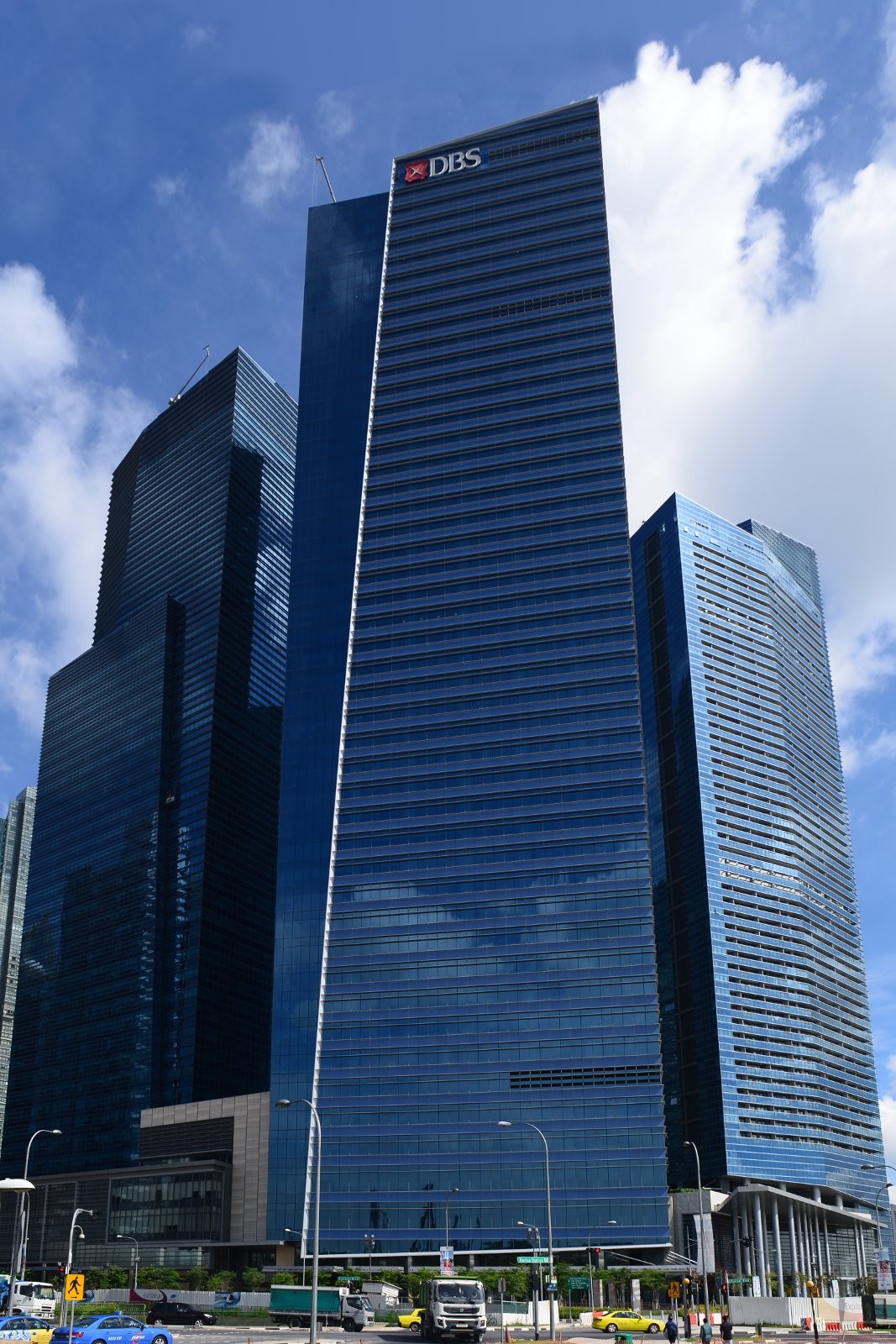
Hawkeye was engaged to provide end-to-end event security for the day. The scope ran from the morning ingress through to the post-meeting demobilisation, with the firm's senior officer accountable to the engagement lead at DBS for every operational decision on the day. The published reference at the foot of this page comes from that engagement lead.
Three weeks before the door opens.
Preparation began at recce. Hawkeye walked the venue with the bank's events team and the engagement lead, mapping the entrance points, the registration concourse, the holding area for early arrivals, the meeting hall floor plan, the chairman's route, the board's egress, the media position, and the back-of-house corridors that connected each. Every physical seam in the venue was logged: where the bank's own protocol changed, where access cards switched, where the corridor turned a corner that an officer would need to be standing at on the day.
From the recce came the operations plan: officer count, position assignments, shift coverage, escalation contacts at DBS and at the venue, communications channel structure, contingency routing, and a list of named scenarios that the team rehearsed in the days before the event. The plan was reviewed and signed off by the engagement lead in writing before the morning of the AGM.
- Position map. Officer at every door, every corridor turn, every accessible-route junction, the chairman's route, and the board egress.
- Comms. Dedicated radio channel, escalation tree, named DBS counterparts at events, security, and protocol.
- Contingencies. Documented routing for medical, evacuation, and unscheduled-attendee scenarios. Rehearsed.
- Sign-off. Plan signed off by the engagement lead before any officer arrived on site.
Registration is where the AGM is decided.
Doors opened at the published ingress hour. The registration concourse handled in-person shareholders presenting either share certificates and identification, or proxy forms confirming entitlement to vote. Hawkeye officers worked alongside the bank's events team and the registrar's representatives, holding the screening line, supporting accessible-route entry, and covering the hand-off from registration desk to seating allocator.
The screening on the door is the part of an AGM that decides the day. Once an attendee is past the registration desk and inside the meeting hall, they are by definition entitled to be there. The check at the door is the only check. Hawkeye briefs to that standard: politely thorough, never theatrical, with clear escalation where any document is unclear. The engagement lead at DBS held a desk inside the hall throughout the morning; any registration query that could not be resolved at the desk by the registrar was routed to that lead.
Floor coverage during the meeting.
Inside the hall, the brief is to disappear. The chairman runs the meeting; the board members hear and respond to shareholders; the registrar conducts the vote; the meeting ends. Officers cover the room from positions selected so that they are useful in a contingency and invisible otherwise. The standard is: a shareholder leaving the meeting could not, if asked, name an officer they spoke to.
The chairman's address, the resolutions, the board's responses to shareholder questions, and the announced result of each vote are all part of the meeting record kept by the bank — not by us, and not described here. The Hawkeye contribution to the meeting record is one line: floor cover, no incident.
The room empties; the operation continues.
An AGM ends when the chairman closes the meeting. The room then takes thirty to forty-five minutes to empty: shareholders depart, the board exits via its planned route, the media files its copy, and the venue is handed back to its operations team. Hawkeye holds cover through the demobilisation — the egress flow, the board route, and the post-meeting media interactions where the chairman or the CEO may take questions in a designated area before leaving the venue.
The post-event report was filed within 48 hours of the meeting, signed by the senior officer on the day, and sent to the engagement lead. The report is the operational artifact the bank keeps for its records and for the board's review of the AGM. If anything had gone differently than planned, the report would be where it was named, attributed, and resolved. Nothing did.
Quoted with permission. Full reference letter available on request.
The verifiable facts of this engagement are: that Hawkeye provided event security for DBS Bank's AGM 2026, and that the engagement lead at DBS provided a positive written reference, available on request. The procedural account above is illustrative of how the firm runs a regulated-event brief; specific operational details (officer counts, the venue's floor plan, the bank's internal protocol) are not described publicly.
The standard a regulated event needs.
An AGM is a category of event where the security partner is judged by what does not happen. There is no incident; there is no delay; there is no shareholder who slips through screening; there is no chairman who has to wait for a corridor to be cleared. The good outcome looks like nothing. The standard the bank is buying is the standard that produces nothing.
Hawkeye runs to that standard. If your engagement is in the regulated category — listed-company AGM, EGM, financial-sector general meeting, board offsite at a hotel — we should talk.