Ch. 01
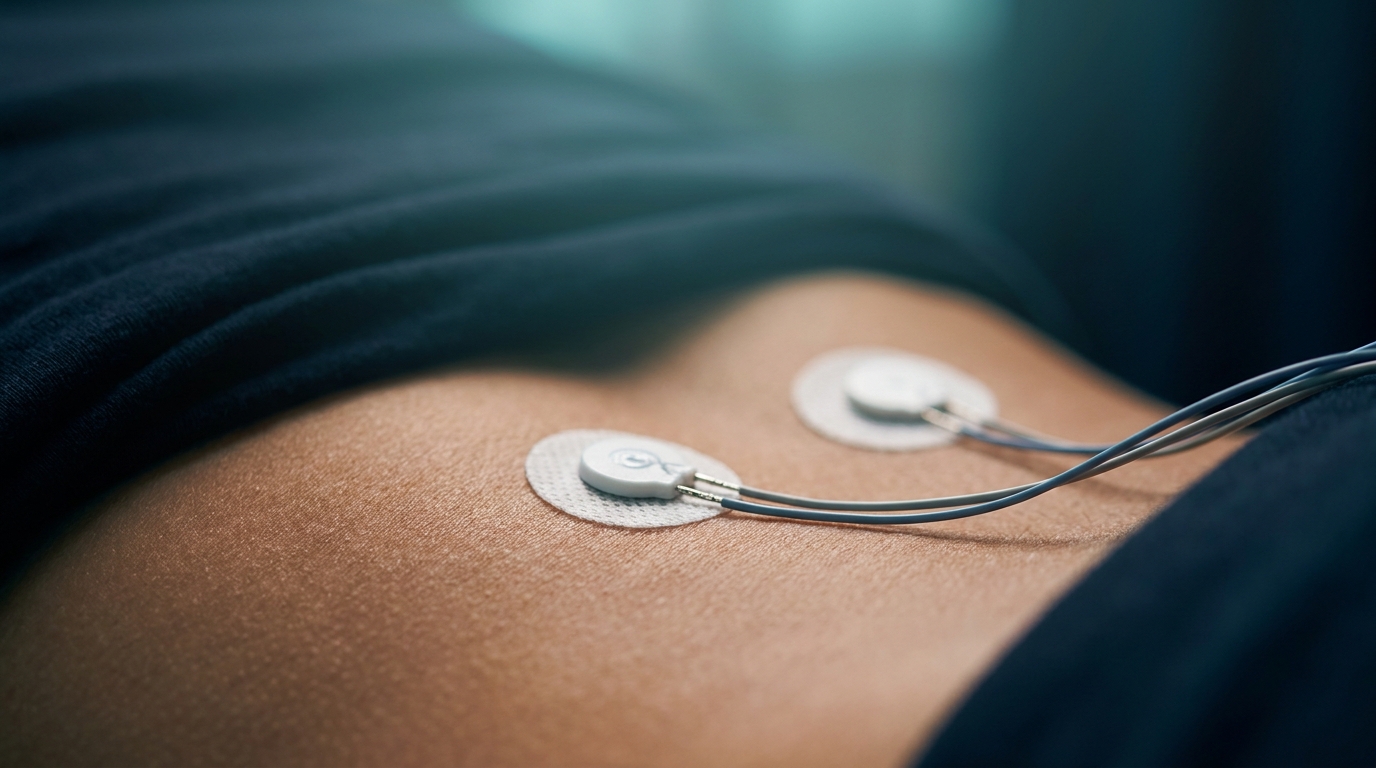
Surface EMG
Bilateral paraspinal muscle activity. Measures resting tonus and symmetry across the mid-line.
Weight in index · 22%
A five-channel nervous-system assessment that resolves to a single number between 0 and 100. Measured before your first session. Measured after every session thereafter. The trend is your chart.
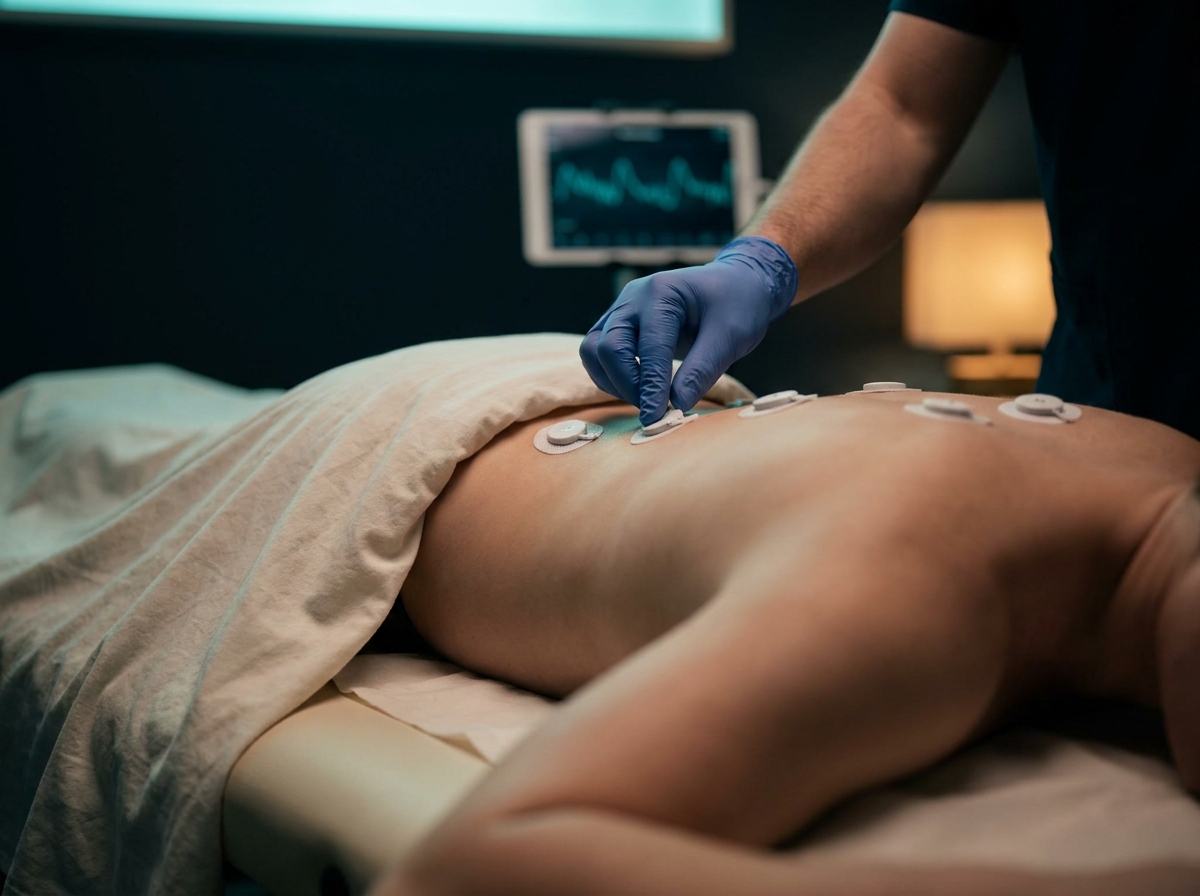
Most chiropractic happens blind. You arrive with symptoms, the clinician palpates, an adjustment is made, and the only feedback loop is whether you feel better next week. For acute, obvious cases that works. For everything else, it is an information-starved process.
CellSync adds the instrument panel. Five sensors that each measure one dimension of nervous-system state, combined into a single aggregate score - your CellSync Index, benchmarked against an age-normed reference and tracked across every visit.
The index is not a diagnosis. It is a movement over time. A steadily rising index means the protocol is working. A plateau means the zone needs re-targeting. A drop means we talk about life - stress, sleep, new injury - before we talk about the next adjustment.
Each channel measures one dimension of nervous-system coherence. The composite is weighted by clinical relevance for each zone - an upper-cervical scan emphasises HRV and vagal tone; a lumbar scan emphasises algometry and ROM.
Every session ends with a printed summary card and an updated record in your patient app. Below is the layout members see after session four of a standard intro arc.
Your CellSync Index is scored from 0 to 100 and benchmarked against an age-normed reference. Most members land in the mid-50s on day zero; the goal of the four-session intro is to lift you into the 70s and then sustain it.
Active symptomatic pattern, significant asymmetry, low autonomic tone. Typically a clear clinical picture with pain or functional loss.
Below age-norm but within a typical "working adult" range. Often the pattern that brings new members in the door.
Age-normed or above. The plateau after a successful intro arc. Most members move here between session three and session five.
Athletes, elite musicians, consistent long-term members. Requires sustained rhythm maintenance plus lifestyle alignment.
Illustrative median trajectory across a six-month arc. Individual curves vary - acute cases tend to step-up early then plateau; postural cases lag then climb.
CellSync is measured for every patient at The Sync. It becomes especially valuable for three populations.
Objective evidence that the protocol is working - before the subjective pain level catches up. Many chronic-pain patients have lived with the symptom long enough to distrust their own sense of progress.
HRV and ROM trends tracked against training load. A CellSync dip often predicts overtraining before it becomes injury. Coaches receive a weekly summary (with member consent).
The spinal/autonomic layer of a comprehensive longevity programme. Typically paired with VOâ'' max, DXA, and blood-biomarker work. We export to standard EHR formats.
Each of the five CellSync channels draws on a published, peer-reviewed measurement tradition that predates The Sync by decades. The proprietary layer is the composite score, the weighting per zone, and the patient-facing delivery. The underlying sensors are not novel.
| - Channel | - Established use in literature |
|---|---|
| Surface EMG | Paraspinal sEMG for chiropractic outcome measurement - used since 1980s. Indexed in PubMed under ~2,100 studies. |
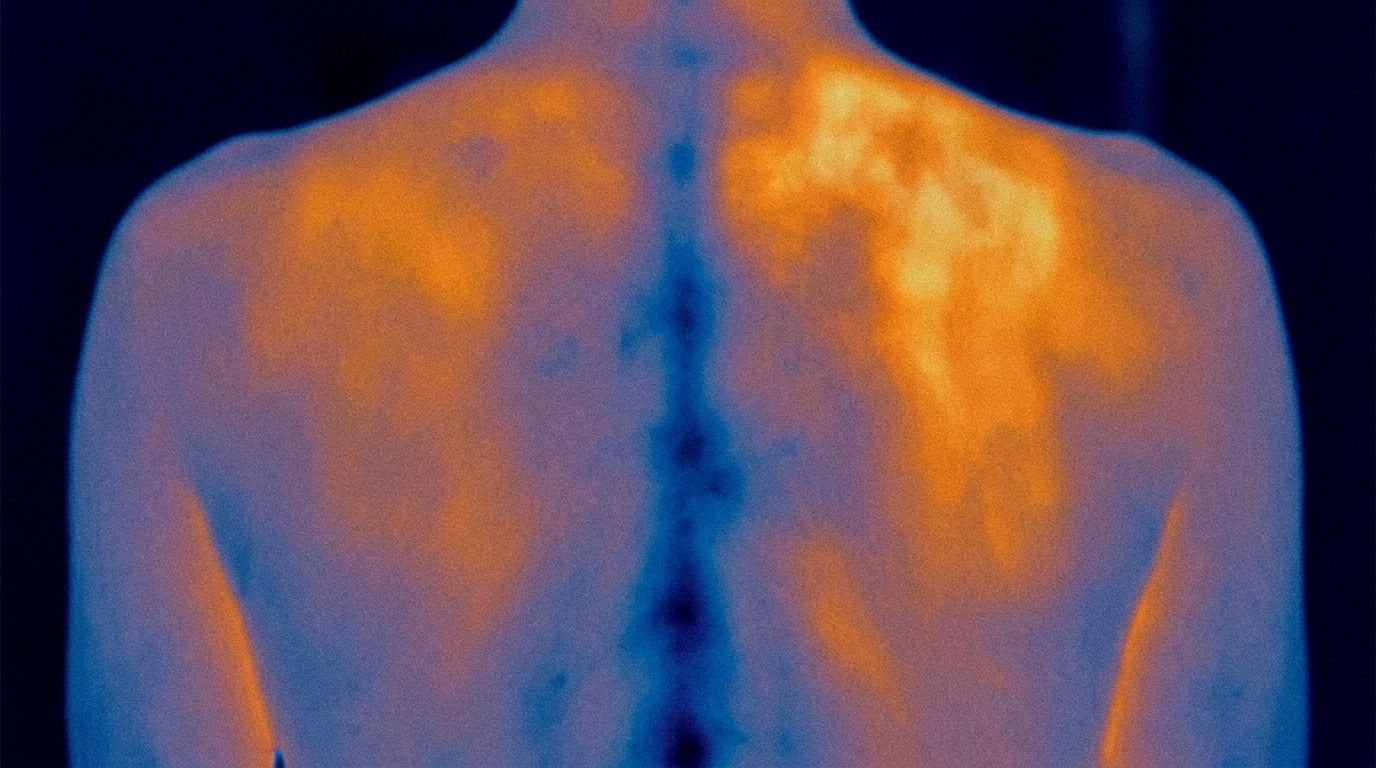
| Thermography | Paraspinal infrared thermography for autonomic function - used since the 1950s. Standardised scanning protocols published by the American Academy of Thermology. |
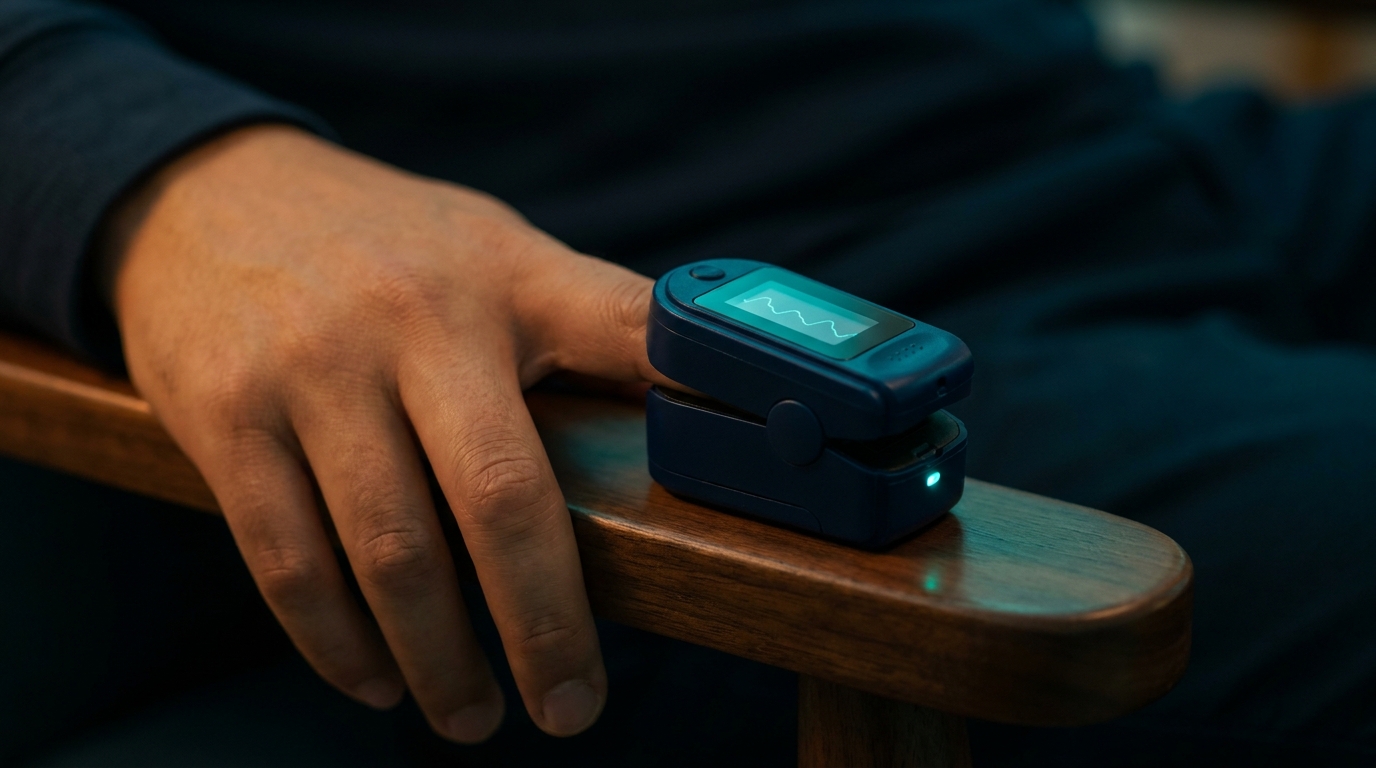
| HRV · RMSSD | Short-term HRV as a vagal-tone proxy - gold standard in cardiology and sports science. Task Force of ESC/NASPE guidelines, 1996 (revised). |
| Algometry | Pressure-pain threshold via algometer - established tool in pain research. IASP consensus methodology. |
| Active ROM | Digital goniometry - replacing manual goniometers since the 2000s. Inter-rater reliability > 0.9 for most spinal planes. |
No. Thermography alone correlates weakly with outcomes. sEMG alone has replicability issues. HRV alone is state-dependent. The CellSync Index is useful specifically because no single channel is trusted on its own - the composite absorbs the individual weaknesses. This is the same statistical argument that underlies ensemble methods in machine learning.
A First Sync includes a full CellSync scan as the baseline reading. You leave with a printed report and a priority zone for your next visit.
We do not sell a standalone scan. The CellSync reading is the first phase of every First Sync - you receive the scan, a 20-minute clinical review, the first SpinalSync correction, and the post-session rescan.
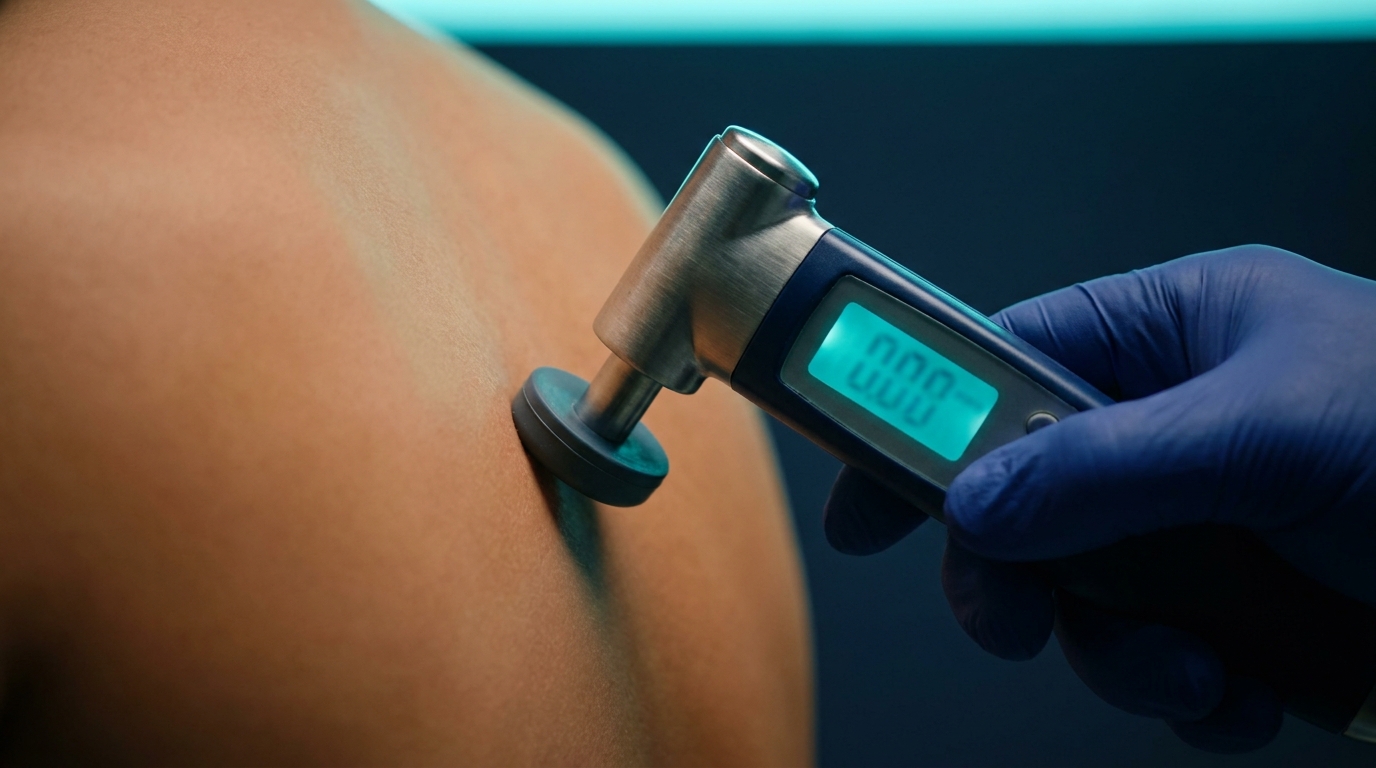
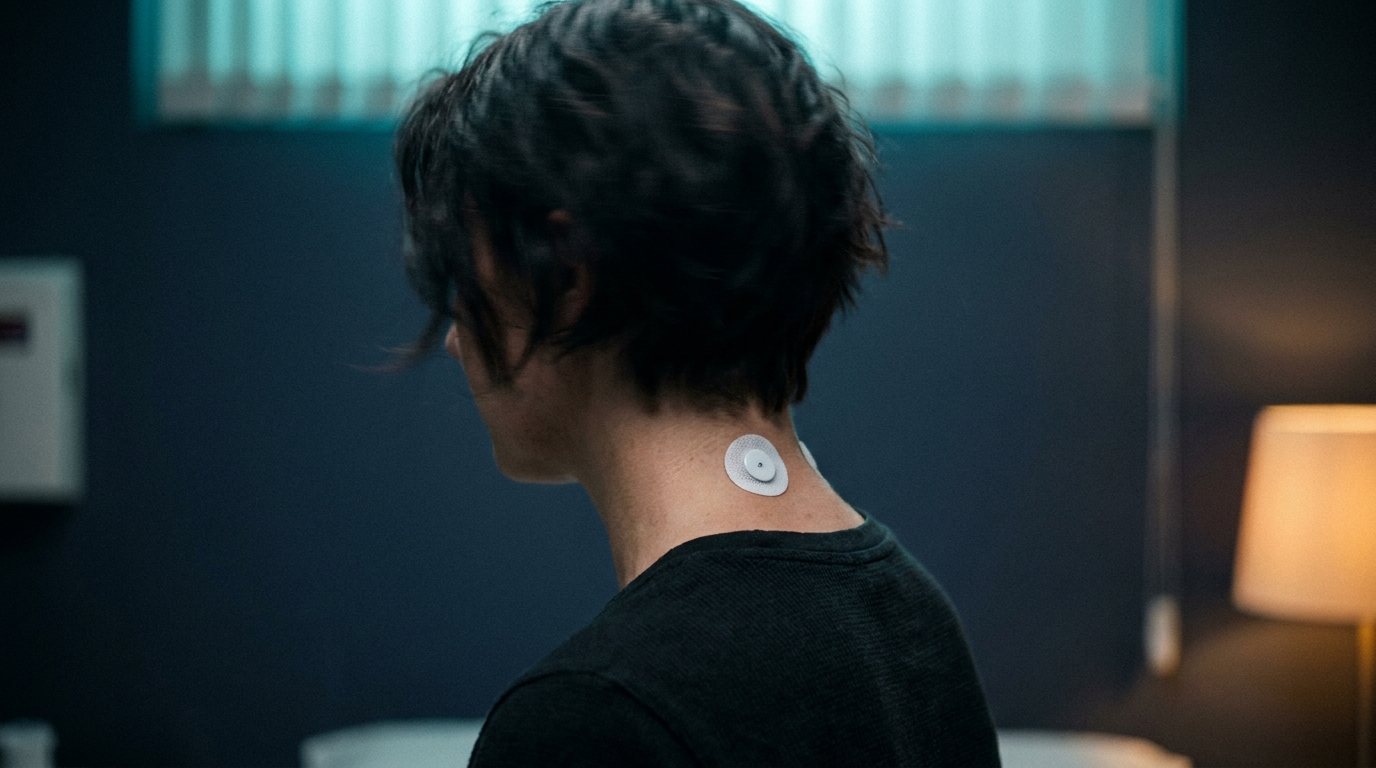
No. The sensors are non-invasive and contact-only. The HRV capture is done through seated finger-clip photoplethysmography, the sEMG and thermography are surface sensors placed along the paraspinals, algometry is a gentle pressure device, and ROM is captured through a handheld digital goniometer. Nothing penetrates the skin. No radiation.
Five to seven minutes for the sensor capture itself. The full intake including the scan and the clinician's review is twenty to twenty-five minutes.
The individual sensor components (sEMG, thermography, HRV, algometry, digital goniometry) are each TGA / FDA-classified as Class I or II medical devices. The composite CellSync Index is a proprietary wellness scoring layer built on top of these sensors - it is marketed as a wellness metric, not a diagnostic device for any specific disease.
Yes. Every report is downloadable as PDF from the patient app. Members in the longevity-clinic track routinely send their CellSync history to their primary-care physician and their longevity physician; we support HL7 FHIR export on request for institutional partners.
It happens - and it is useful information. An index dip usually tracks a concrete event: poor sleep week, new training block, acute injury, emotional stressor. Your clinician will talk through possible drivers before adjusting the protocol. If the dip persists for three sessions, we restart from baseline with a deeper intake.
Imperfectly, by design. The index often moves before the symptom moves - which is part of why it is useful. Equally, a member may feel 15% better while their index moves only 3 points. The trend matters; the single number on a single day does not.
Book a First Sync - scan, session, rescan, debrief - and leave with your baseline index.