Preview  ·  Illustrative content. All 9 condition deep pages are now wired up. Home
Home / Conditions
— Conditions We Address

What we measurably treat.

Nine dedicated protocols, each tied to specific cerebrospinal zones and specific CellSync channels. Every condition below has its own scan-directed pathway — not a generic chiropractic visit. If your presentation is not listed, your First Sync will tell us whether SpinalSync is the right intervention.

— Nine Protocols

Each condition. Its own pathway.

Click through for the mechanism, expected session arc, typical CellSync response pattern, and what we refer out for.
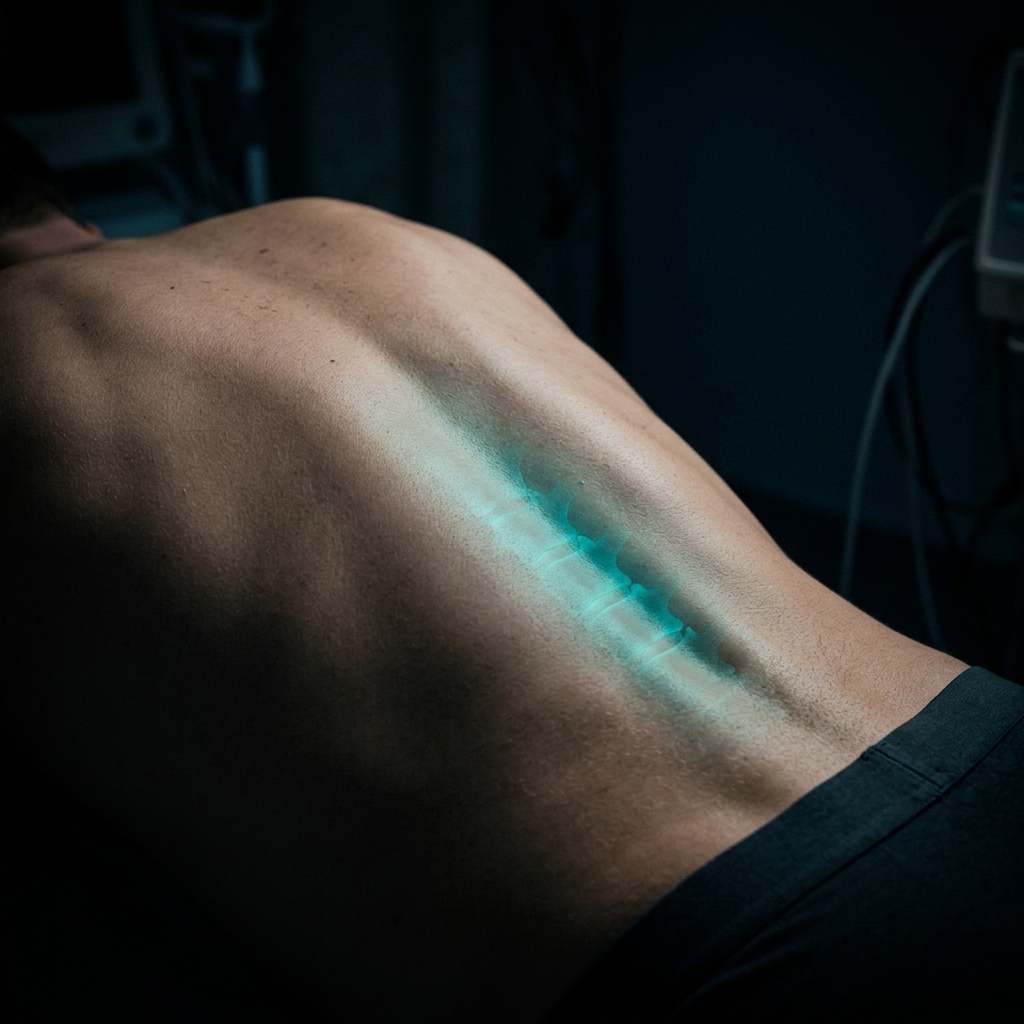
Chronic low-back pain treatment
Zone V · Lumbar

Chronic low-back pain

The most common presentation at The Sync. Lumbar and lumbo-sacral cases, both recurring and acute, treated through zone-V protocols with algometry and ROM as primary tracking channels.
Protocol length4–8 sessions Primary channelAlgometry + ROM
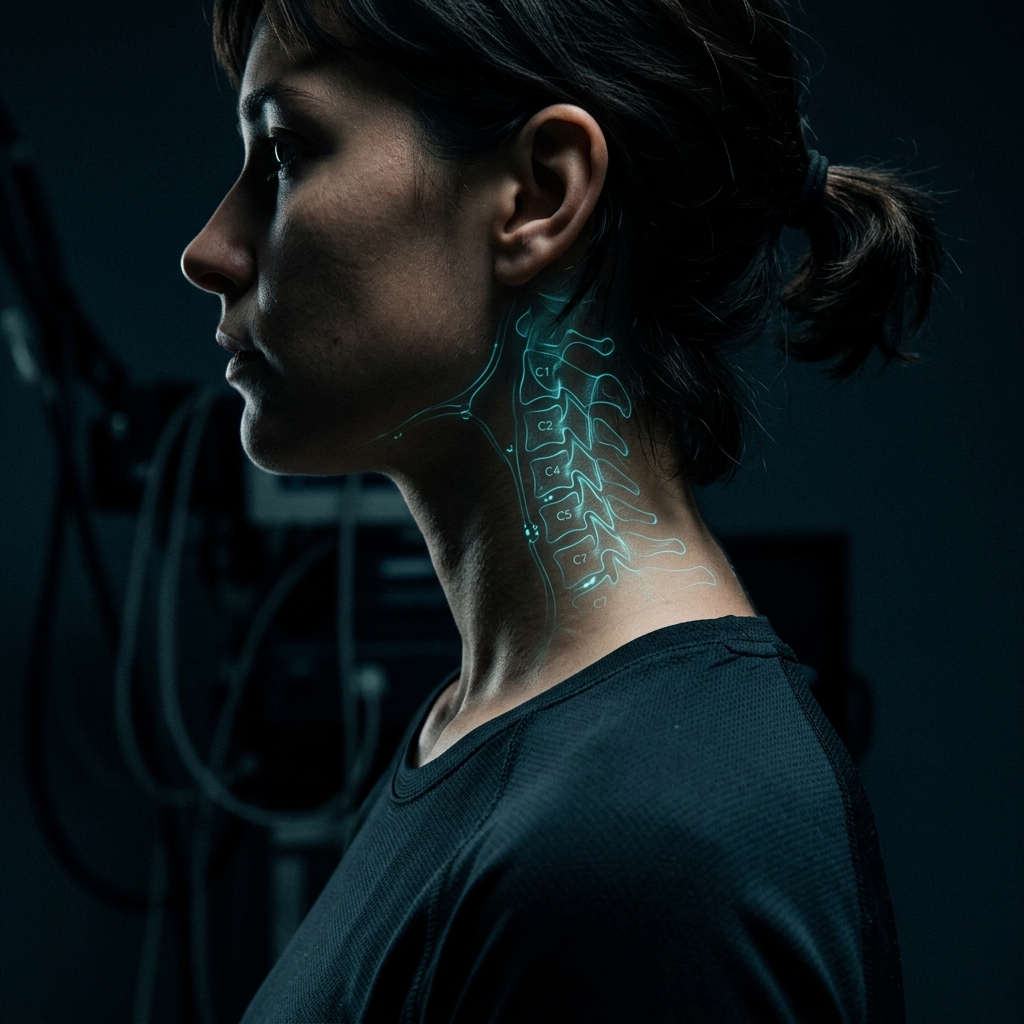
Neck pain and tech neck treatment
Zone I–II · Cervical

Neck pain & tech neck

Forward-head posture, cervical fatigue, and the desk-worker's upper-trap chronic pattern. Treated through low-force upper-cervical SpinalSync with postural programming support.
Protocol length4–6 sessions Primary channelROM + sEMG
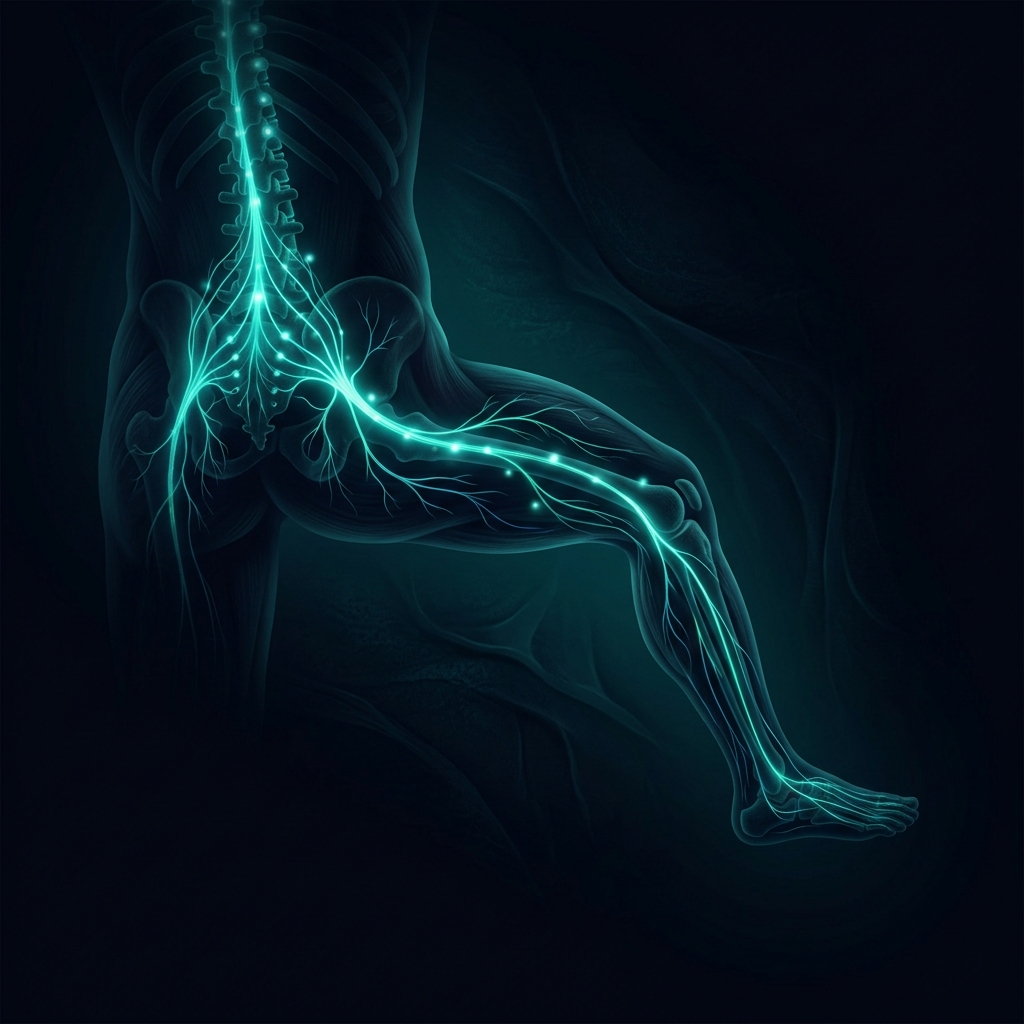
Sciatica nerve pathway treatment
Zone V–VI · Lumbo-sacral

Sciatica

Nerve-root compression and referred-pain sciatic presentation. Zone-V and zone-VI combined protocols, with referral to orthopaedic imaging if disc pathology is suspected on intake.

Protocol length5–10 sessions Primary channelAlgometry + HRV
Migraine and headache treatment
Zone I · Upper cervical

Migraines & headaches

Upper-cervical-origin migraine, tension headache, and vestibular-linked migraine. Zone-I precision protocol with HRV and vagal-tone as primary tracking channels.
Protocol length6–12 sessions Primary channelHRV · RMSSD
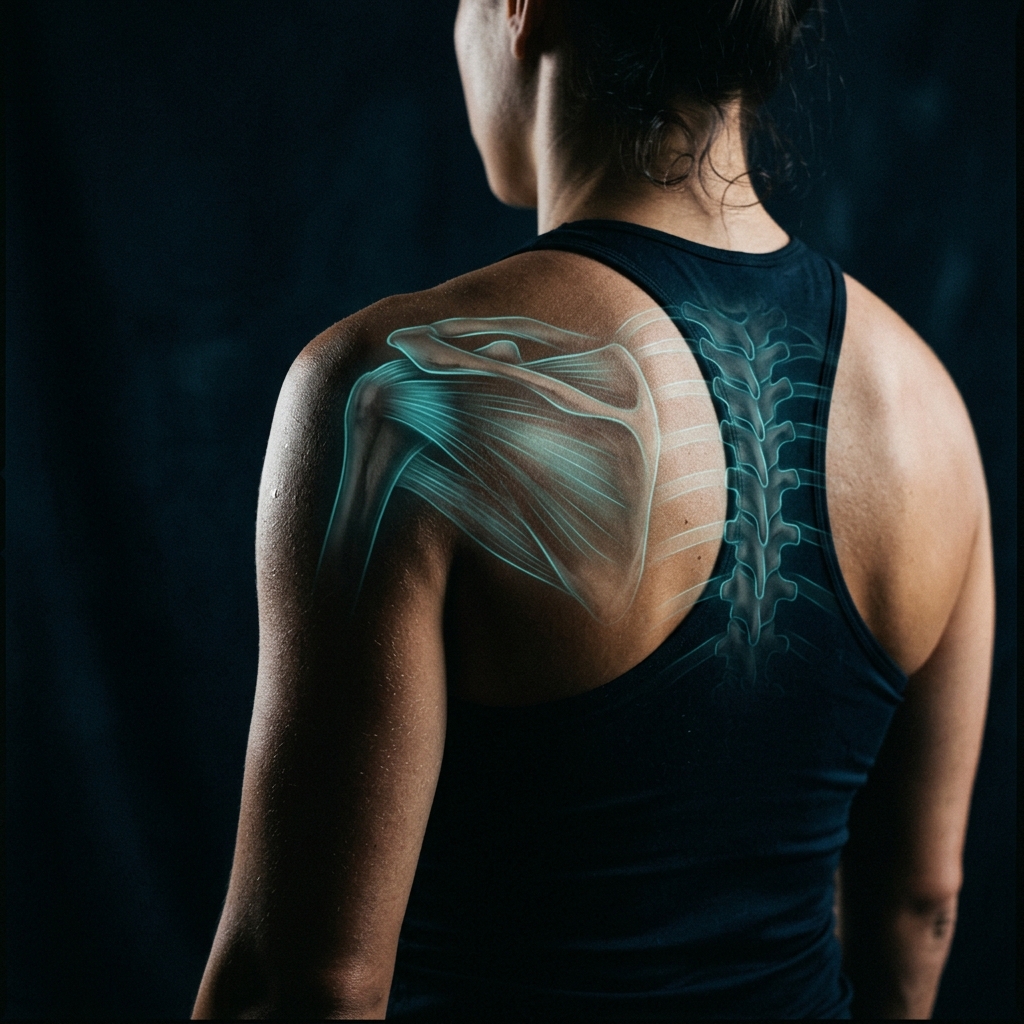
Shoulder and hip dysfunction treatment
Zone III · Upper thoracic

Shoulder & hip dysfunction

Rotator cuff, subacromial impingement, and pelvic rotation with knock-on hip pattern. Upper-thoracic and sacro-pelvic dual-zone protocols depending on the presentation.

Protocol length4–8 sessions Primary channelROM + sEMG
Sports injury recovery protocol
Multi-zone

Sports injury recovery

Return-to-play pathway for endurance athletes, field-sports players, and power athletes. Multi-zone protocol with HRV and ROM tracking, coordinated with the member's strength coach.
Protocol lengthEvent-timed Primary channelHRV + ROM
Pelvic floor imbalance treatment
Zone VI · Sacro-pelvic

Pelvic floor imbalance

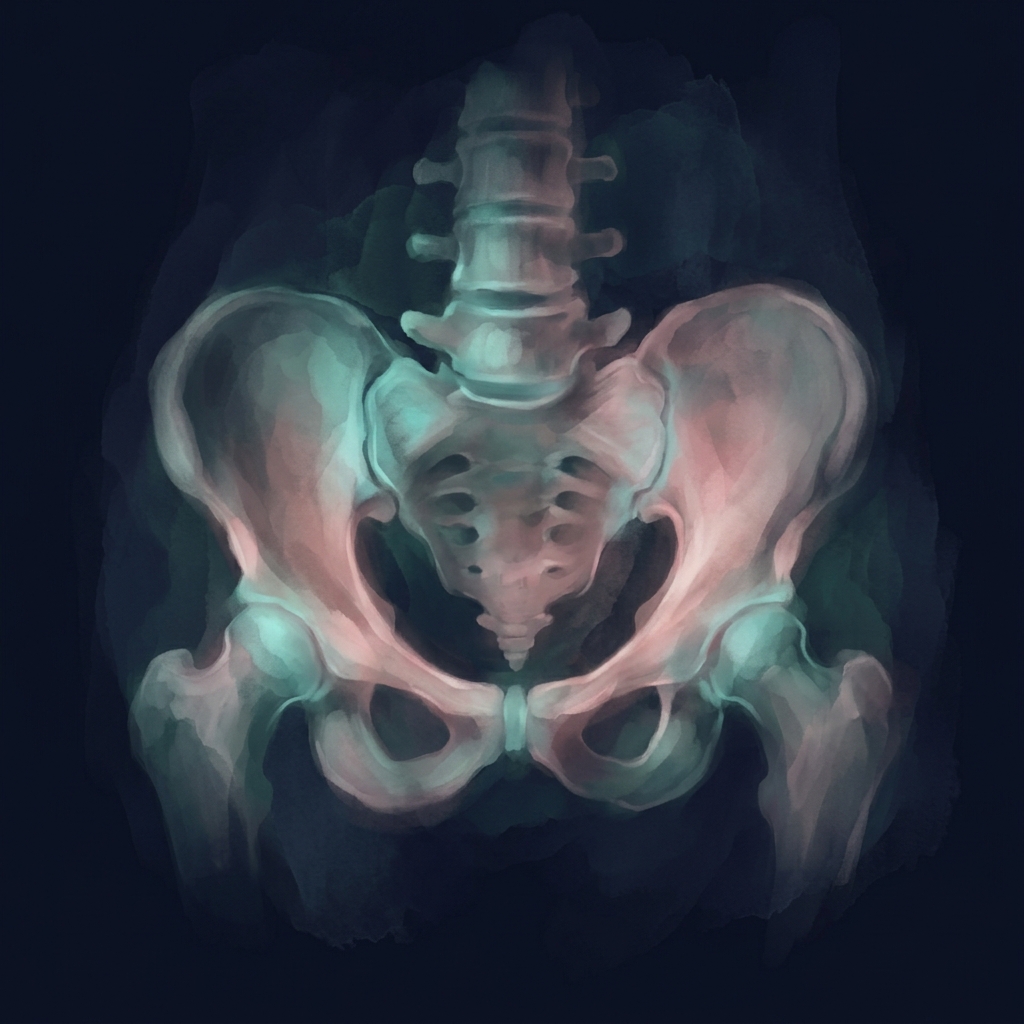
Post-natal, urological referral, and structural pelvic-floor presentation. Dedicated PelviSync protocol with sacro-pelvic zone focus. Women's-health clinician leads.

Protocol length6–10 sessions Primary channelMobility + ROM
Pregnancy comfort protocol
Zone V–VI · Adapted

Pregnancy comfort

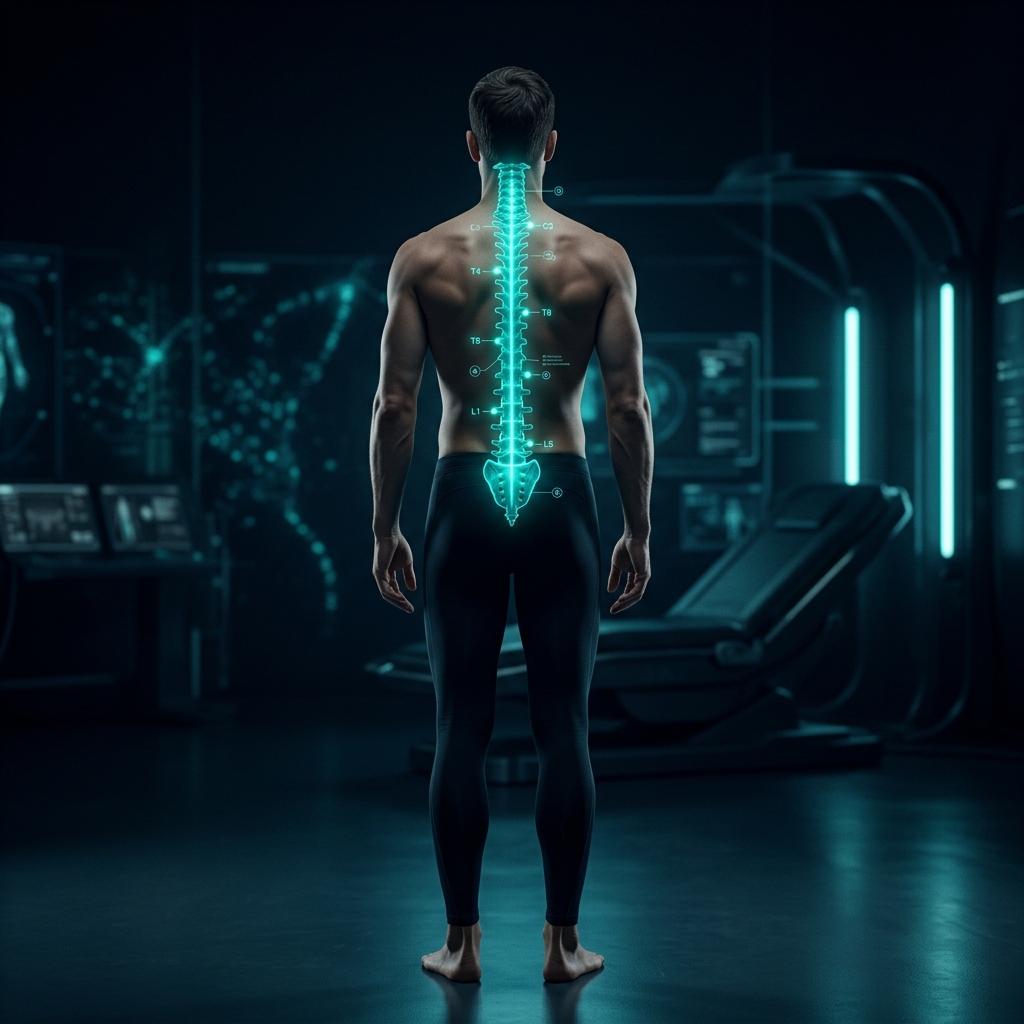
Trimester-adapted low-force protocols for pelvic, lumbar, and thoracic discomfort through pregnancy. Delivered safely through all three trimesters with positioning-specific room setup.
Protocol lengthOngoing Primary channelROM + comfort
Postural realignment programme
Multi-zone

Postural realignment

Whole-body coherence for longevity-oriented members. Not a presenting condition in the clinical sense — a structured programme for members who want to optimise their CellSync Index over twelve months.

Protocol length12-mo arc Primary channelComposite index
— By Spinal Zone

Same conditions. Six angles.

Our protocols index by zone, not by symptom. Same condition can be treated through multiple zones depending on scan findings — which is why two members with "migraines" often follow different pathways.

— What We Refer Out For

When SpinalSync is not the answer.

We refer routinely. If your presentation falls into any of the categories below, your First Sync ends with a referral, not a package.

Referral criteria
Confirmed disc herniation with progressive neurological deficit — imaging + orthopaedic spine.
Suspected spinal stenosis with neurogenic claudication — imaging + orthopaedic spine.
Post-surgical spinal fusion in first 12 months — surgical follow-up, not adjustment.
Red-flag neurology (bilateral radiculopathy, saddle anaesthesia, bowel/bladder change) — A&E, not us.
Unexplained weight loss + back pain — GP workup first.
Active malignancy with spinal metastasis — oncology-coordinated care only.
Rheumatological acute flare — rheumatologist first; SpinalSync during remission only.
Vertebral fracture · acute trauma — A&E and orthopaedics.
We refer fast. SpinalSync works best for nervous-system, soft-tissue, and biomechanical presentations. If your presentation is structural or systemic, the right clinician is not us — we will name them, schedule you, and follow up.
— FAQ

Common condition questions.

My condition isn't on the list. Can you still help?

Possibly. The First Sync (45 min, SGD 290) includes a structured intake where your clinician will tell you honestly whether SpinalSync is likely to move your specific presentation. If it isn't, you'll leave with a referral and no obligation to return.

How long until I feel different?

Varies enormously by condition. Acute lumbar cases often respond in sessions 1–3. Chronic postural patterns typically need 6–10 sessions. Upper-cervical migraine protocols tend to show measurable CellSync changes before symptom changes — which is why the scan matters.

Do you treat children?

We treat paediatric cases from 10 years old and up, with particular expertise in postural and sports-related presentations. Under 10 requires a paediatric-specialist colleague — we refer.

I've had spine surgery before. Can I have SpinalSync?

Usually, yes — after the first 12 months post-fusion and with written clearance from your orthopaedic surgeon. The low-force, instrument-assisted nature of SpinaliQ makes it one of the few chiropractic techniques routinely cleared for post-surgical patients.

Is SpinalSync safe for elderly patients?

Yes — the force profile is well below the threshold that concerns manual chiropractors in older populations. We run an extended intake with our medical director for members over 70 or with significant osteoporosis, and document a formal clearance before starting.

Not sure which pathway applies to you?

The First Sync tells us. Forty-five minutes, baseline scan, protocol recommendation, referral if needed.